
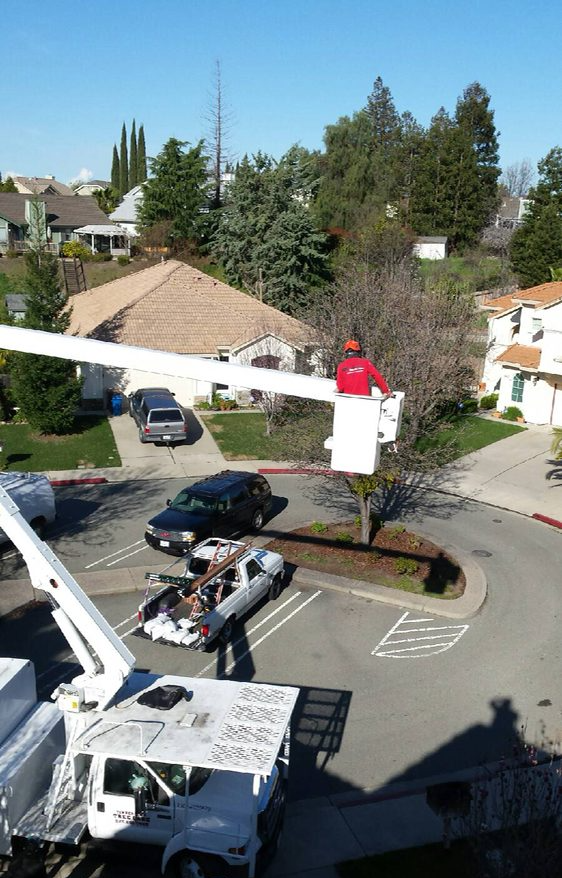
When it comes to tree trimming, it may not be the most exciting task on your to-do list (unlike us, we love it!), but it is essential nonetheless. The challenge with tree trimming is that, without expertise, it can be difficult to determine the when, how, and where to trim in order to ensure the tree's health is not compromised. While we are always available for your tree trimming needs, if you prefer to handle the task yourself or need guidance on when to reach out to us, the following information could be beneficial.
To Prune or Not to Prune – That's the Dilemma
Instead of delving into the timing of tree trimming in Northern California, let's first consider when it's best to refrain. It's ill-advised to prune trees during the fall. It's preferable to avoid this practice whenever feasible as the fall weather facilitates the rampant spread of fungi spores, potentially leading to diseases in otherwise robust trees. Furthermore, trees take longer to recover from cuts made in autumn, leaving them susceptible and unprotected.
Similarly, for many trees, it's advisable to steer clear of pruning in the spring as well, as this is a period of new growth. Pruning during this time can stress the tree, compromising its overall health and growth.
Shaping and Guiding Trees through Summer Pruning
During the summer season, it is ideal to prune trees to guide their growth patterns or shape them, as well as to regulate the development of specific branches. Pruning in the summer ensures that the growth for the season is typically complete.
Summer is a suitable time to trim defective or drooping limbs on trees since they are more visible during this season. There are instances where pruning can help slow down the growth of a branch or an entire tree.
When trimming trees on your own, it is important to understand the tree species you are working with and follow the recommended techniques for shaping and trimming to achieve your desired outcome.
Trimming to Increase Flowering
Trees that flower may look like they aren’t creating as
many new flowers as they used to. This is a good time
to give it a good trimming, so the tree can focus on
new growth. If your tree blooms in the spring, you
should prune it when the flowers fade. If it blooms in
the summer, you should prune it either in winter or
early spring.
Winter is the optimal season for tree trimming.
During this period, trees are in a dormant state, laying the foundation for new growth in the upcoming spring. Trimming in winter provides trees with added protection as they heal, as there are fewer pests and diseases present to harm them.
If you have a tree or shrub needing professional trimming, contact us today and we can answer any questions, as well as schedule a visit to your property.