
Timberland's
Tree Talk Blog
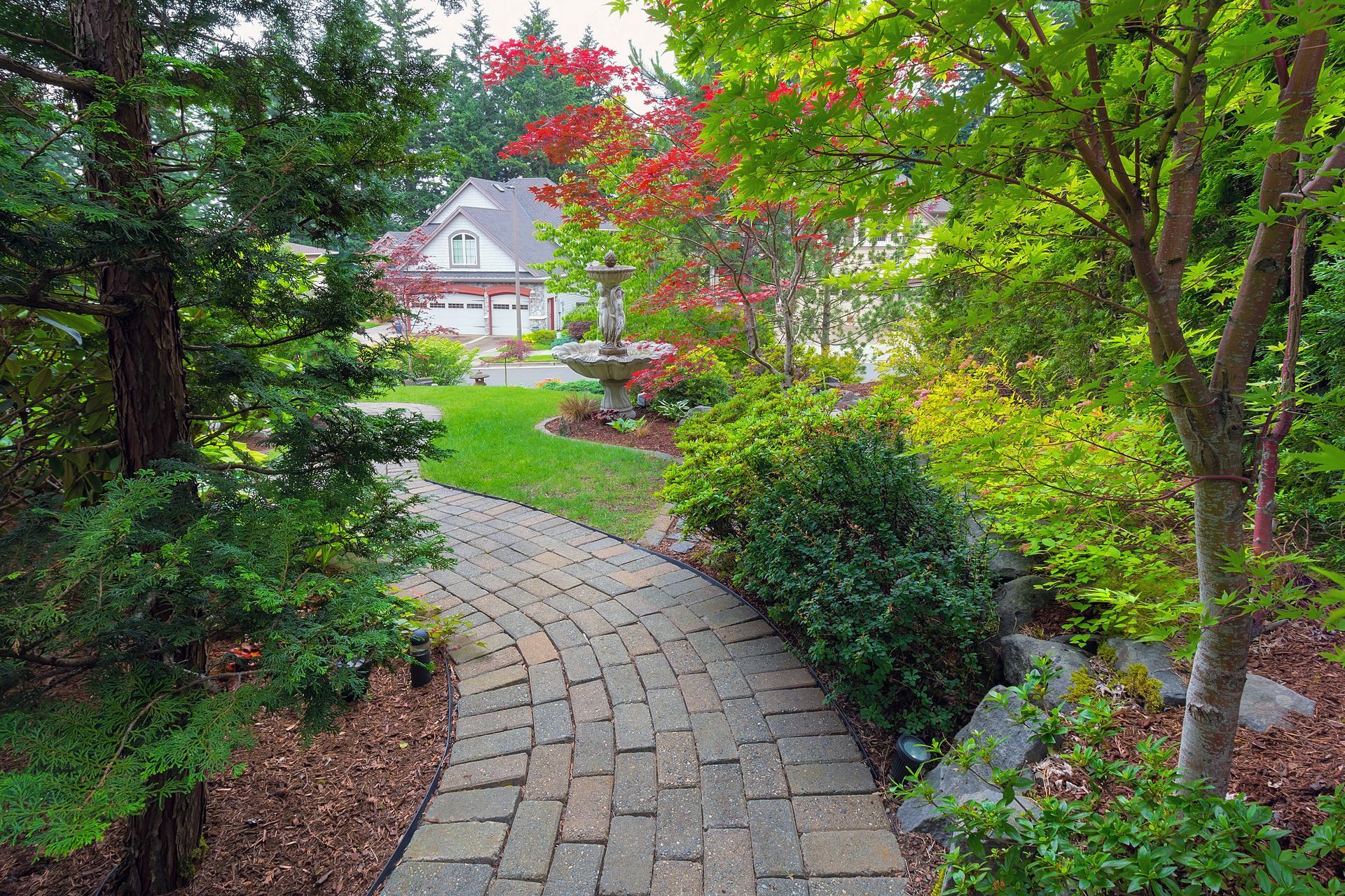
Understanding Hardscaping vs. Landscaping.
Popular Types of Hardscaping for Your Property
Services That Transform Your Outdoor Living Space
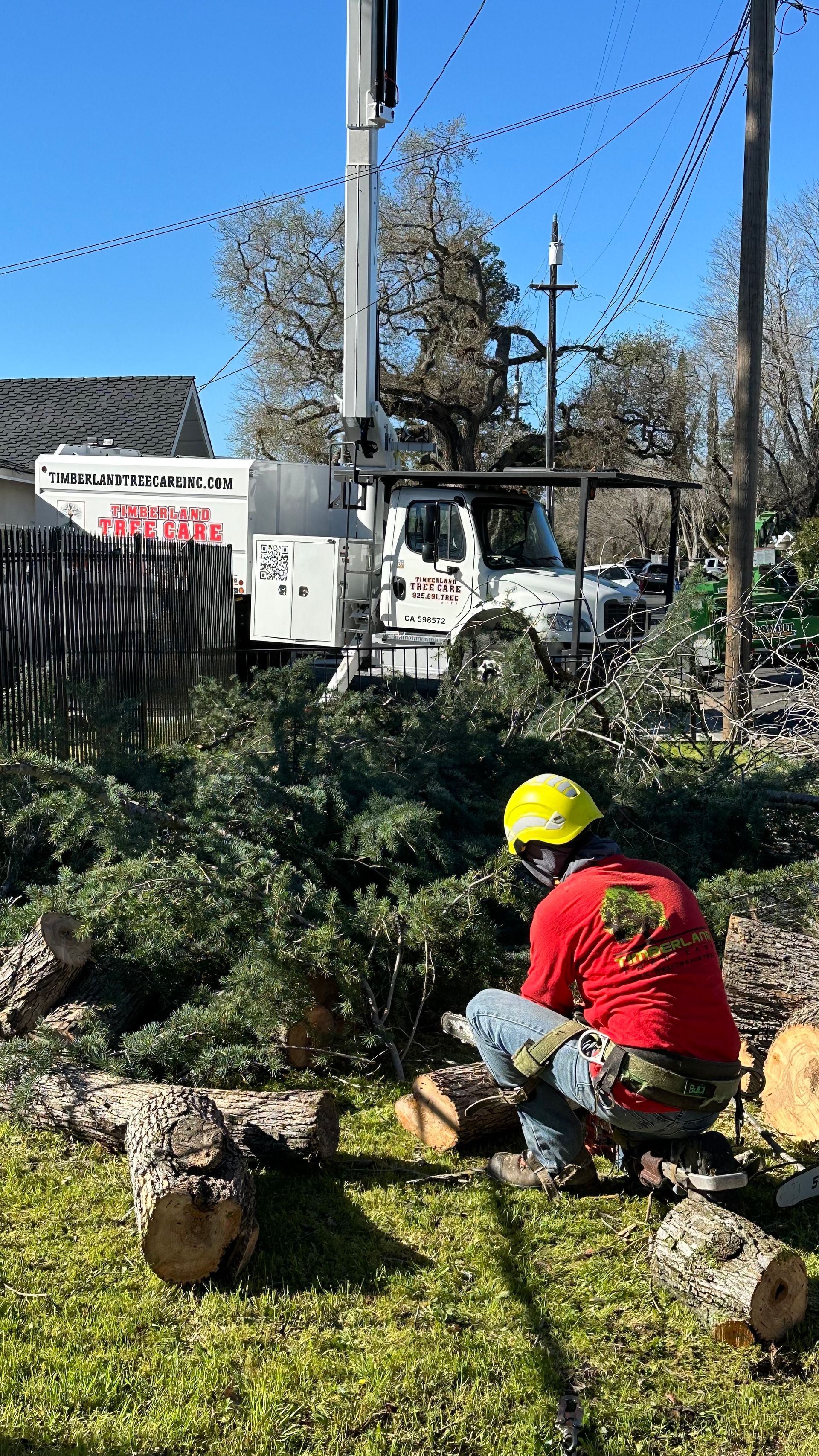
This guide walks you through exactly how to choose a reliable tree care company in your area—so you can make an informed decision with confidence.
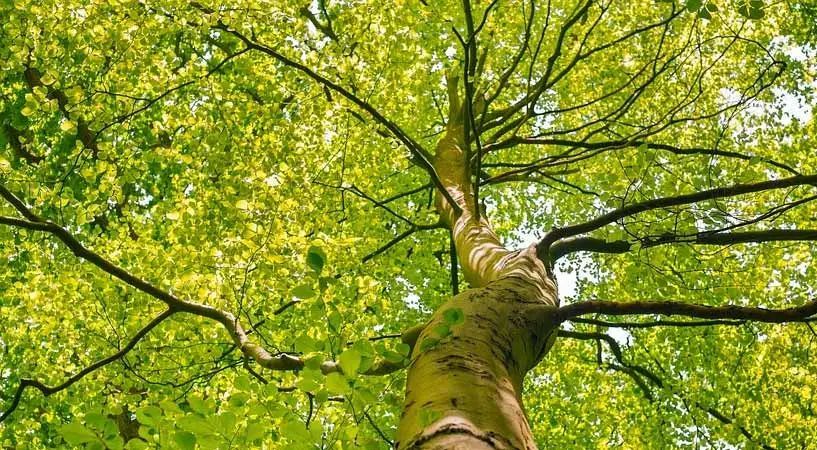
As humans, we often have a tendency to attribute human-like qualities to the world around us. Thus, it’s not surprising that we refer to a particular phenomenon observed among trees as “Crown Shyness.” We envision that the leaves of adjacent trees hesitate to extend and make contact with one another. But what precisely is crown shyness, and what causes it? Is it a concern for your trees and overall landscaping? Here’s what you need to know.

We frequently find ourselves passing by residences adorned with grand, beautiful trees and often take a moment to remark on how these majestic natural features significantly enhance the overall allure of the landscape. These well-kept trees add a touch of elegance and character, contributing positively to the neighborhood’s aesthetic appeal. Conversely, we are all familiar with trees that, whether due to overgrowth or neglect, detract from a home's charm, making it appear unpleasant and uninviting. This awareness serves as a striking reminder of the dramatic aesthetic impact that well-maintained trees can have on your property, particularly concerning its market value and curb appeal. However, it's crucial to acknowledge that many individuals often overlook the important safety implications associated with regular tree maintenance. Neglecting this critical aspect not only poses tangible risks to yourself and your home but can also extend to your neighbors and beloved pets, potentially leading to significant and unforeseen costs. Let’s delve a little deeper and take a closer look at some of the dangers that can arise from failing to properly maintain your trees.
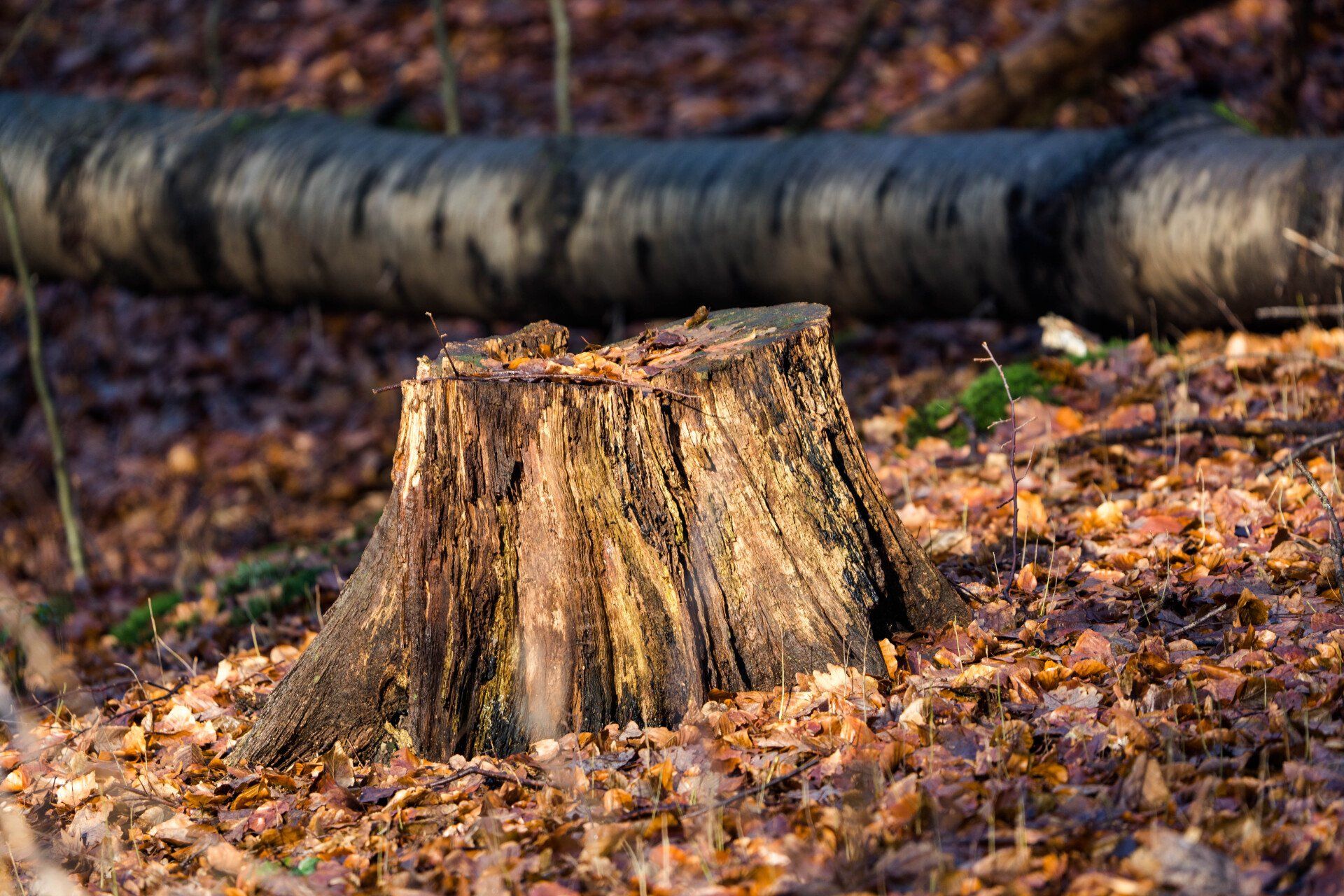
Tree Stump Grinding To grind the stump, or remove it? Now that is a good question. Actually, this has been an age-old landscaping dilemma that a lot of people have been dealing with because tree stumps can become a real cause for concern over time. For one, leaving a stump in the ground can be dangerous to the people living within the area. It is a trip hazard. You may be held liable for any injury that the person suffered for tripping over it. Tree stumps are famous for attracting termites, too. And once a rotting stump is infected with termites, removing it will be much more difficult. By the way, stump grinding termites won’t work. And according to the Department of Agriculture , a tree stump’s roots can damage sewer lines So, is tree stump removal necessary? Definitely. But which manner of selective clearing should you choose? Is it better to grind a stump or remove it completely? Let’s see the pros and cons of both first.
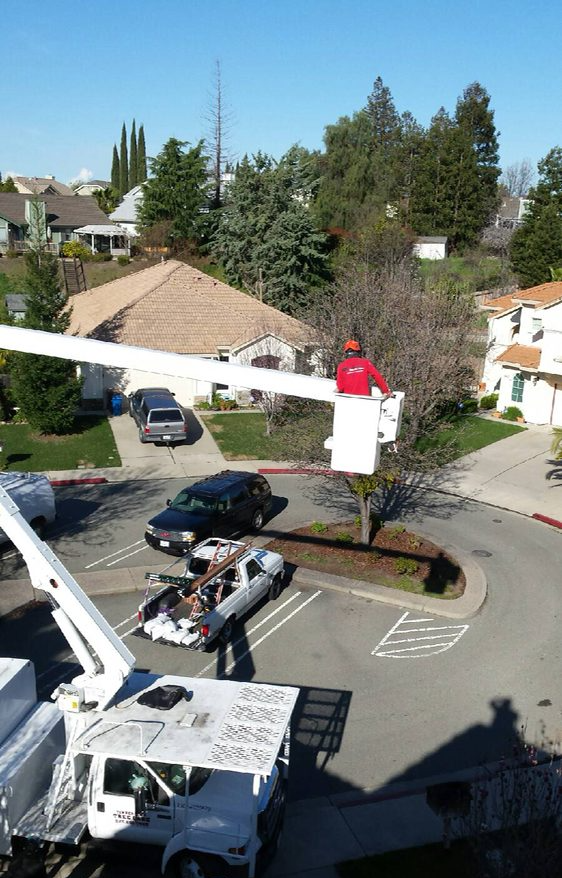
When it comes to tree trimming, it may not be the most exciting task on your to-do list (unlike us, we love it!), but it is essential nonetheless. The challenge with tree trimming is that, without expertise, it can be difficult to determine the when, how, and where to trim in order to ensure the tree's health is not compromised. While we are always available for your tree trimming needs, if you prefer to handle the task yourself or need guidance on when to reach out to us, the following information could be beneficial. To Prune or Not to Prune – That's the Dilemma Instead of delving into the timing of tree trimming in Northern California, let's first consider when it's best to refrain. It's ill-advised to prune trees during the fall. It's preferable to avoid this practice whenever feasible as the fall weather facilitates the rampant spread of fungi spores, potentially leading to diseases in otherwise robust trees. Furthermore, trees take longer to recover from cuts made in autumn, leaving them susceptible and unprotected. Similarly, for many trees, it's advisable to steer clear of pruning in the spring as well, as this is a period of new growth. Pruning during this time can stress the tree, compromising its overall health and growth.
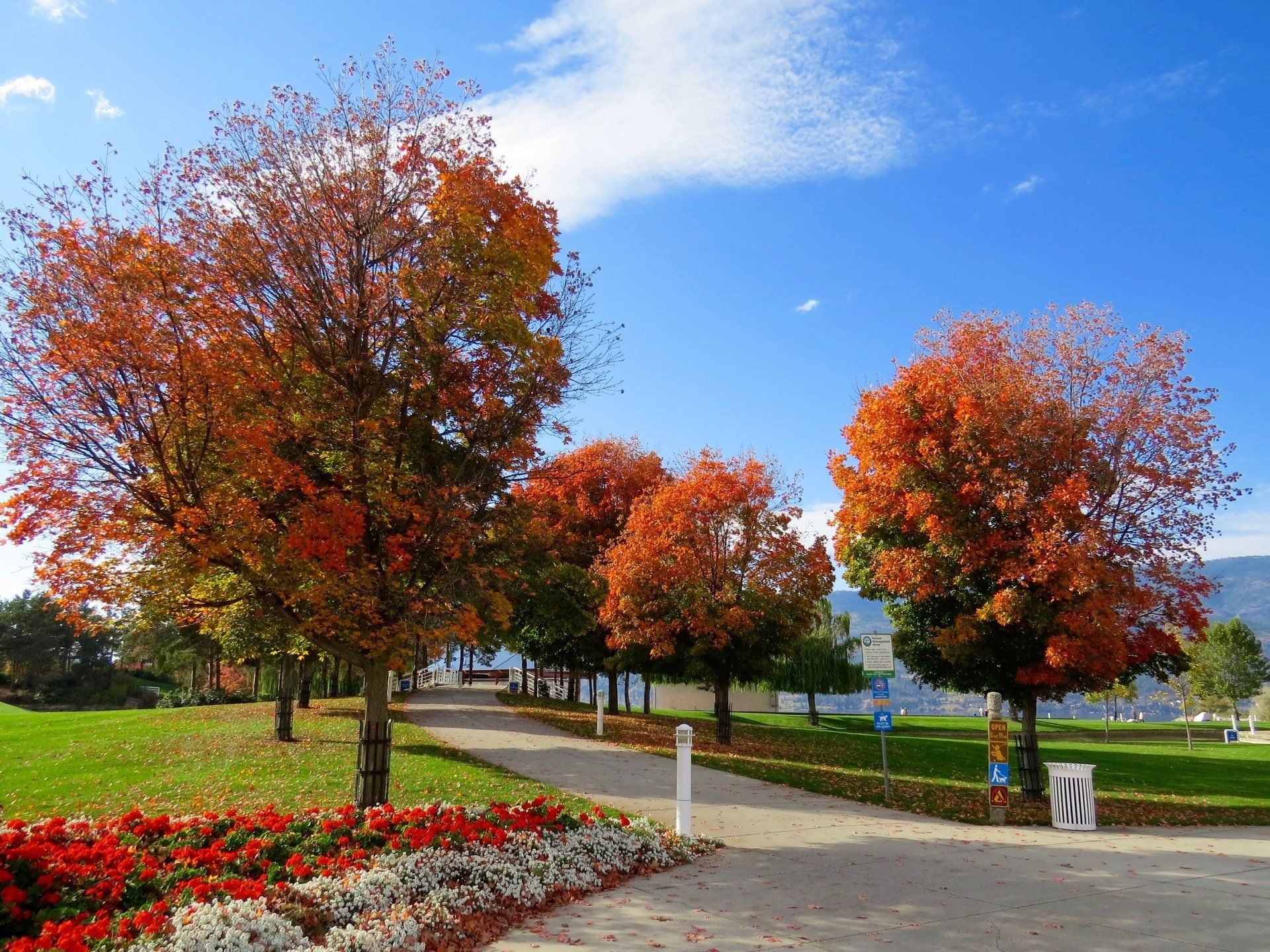
Carelessly digging a hole and plopping a tree into it may not yield the desired results. Your tree's aesthetic potential could be compromised, or worse, it might not survive. Ensure your newly planted trees thrive by following these essential tree planting tips. Let’s delve in and discover how to give your trees the best start in life. Meticulously Establish the Planting Site Planting a tree goes beyond merely digging a hole and inserting the tree. It necessitates meticulous preparation of the site to ensure the tree thrives. Choose a suitable spot based on recommended growth conditions, then dig a hole three times the size of the tree’s roots. Be cautious not to go overboard with the size or depth of the hole. It should only be deep enough to securely hold the tree in place at ground level. As you dig, angle the sides of the hole to facilitate proper root growth.